
Eat at the pace of the landscape
Food and producers from Fontainebleau to the Gâtinais
A market, watercress farm or café can sometimes tell the story of the Gâtinais better than a hurried basket of local specialities.
The Gâtinais on the plate
The landscape does not stop at the forest edge. To the south and west, crops, market gardens, aromatic plants and watercress farms tell another story about water and soil. Markets in Fontainebleau, Milly-la-Forêt, Moret-sur-Loing and nearby communities reveal this variety on different days and through the seasons.
Check municipal or tourism-office pages for the current calendar. A market can change location or move during an event. Bring a bag and a simple idea of what you can cook or eat that day.
Watercress, mint and seasonal produce
Watercress belongs to the wet valleys of the Gâtinais. If a watercress farm welcomes visitors, follow its visiting arrangements. This is a working farm, not an open trail. Ask how the crop was grown and how to keep it fresh.
Milly-la-Forêt is associated with medicinal and aromatic plants, particularly peppermint. You can explore this history through local gardens, producers and shops. Do not assume everything carrying the town’s name was grown nearby. The label and a short conversation will give you a clearer answer.
The Gâtinais français Regional Natural Park introduces the area, its heritage and several local projects.
A coffee stop with a story
Les DouceSoeurs began with a cargo tricycle in Fontainebleau before the Roslina chapter in Moret-sur-Loing. It is a good example of a stop that evolves with the people behind it. Check the project’s current location and format before travelling.
In a restaurant or café, a short menu prepared on site may be more local than a huge list covered in regional names. Ask about the dish of the day and where one or two of its main ingredients came from.
Pack a clean picnic
Buy a sensible amount, choose reusable containers and keep a bag for all rubbish, including fruit peel and napkins. Eat in a suitable place, away from climbing landing zones and fragile habitats. Do not leave scraps for animals.
In the forest, leave camping stoves and barbecues at home in every season. A salad, bread, properly chilled cheese and a piece of fruit are more than enough.
Pair food with a walk
A morning in Milly can lead into a short walk in an accessible part of the Trois Pignons. Moret belongs with the Loing, while Thomery faces the Seine. Barbizon is a pleasant place to visit after a walk along the forest edge. Browse the walks and routes, then choose no more than one market or producer for the day. You will have time to talk instead of simply collecting bags.
Begin with a current local source
The official page about the Pays de Fontainebleau as a food destination brings together markets, producers and specialist food shops. It also introduces tastes associated with the area, including the dessert called Fontainebleau, Brie cheeses and honey. Use it to find a current idea, not as a challenge to taste everything in one weekend.
The Pays de Fontainebleau producer directory covers market gardeners, beekeepers, livestock farmers and other makers. For a wider area, the Gâtinais regional park directory helps locate farms and workshops across southern Essonne and Seine-et-Marne. Confirm how sales work directly. A farm remains a workplace and may not receive visitors without an appointment.
Recognise a few tastes of the area
The park identifies watercress, saffron, peppermint, honey, fruit, vegetables and cereals among Gâtinais products. They are not all produced in every town. Look at where something was grown or transformed, then choose a detour that stays close to the rest of your day.
The Fontainebleau dessert is a light, fresh dairy speciality. The name on a menu does not by itself guarantee where each ingredient came from, and every maker may have a different recipe. Taste it for pleasure, then ask how that version is prepared if the conversation invites it.
Brie cheeses need suitable storage when they travel. Honey is easier to carry and can lead into a conversation about the beekeeper’s chosen flowering areas. Around Milly, herbs, infusions and plant products deserve a look at their origin and directions for use instead of a choice based only on attractive packaging.
Make the market a real beginning to the day
Bring a bag, look at what is in season and ask what will survive several hours of walking. In a gîte, choose ingredients for one uncomplicated meal. At a hotel, a small tasting or carefully packed picnic is more practical than a large basket of fragile food.
Confirm the place and day on a recent town or tourism page. Markets can move during events. Once there, distinguish what the person produces from what they resell. The question can be asked naturally and often gives the meal a better story.
Four food-focused days without rushing
Fontainebleau and Avon. Begin with a market or food shop, visit the château or park, then give lunch the time it deserves. This works well by train and avoids carrying purchases through a long forest walk.
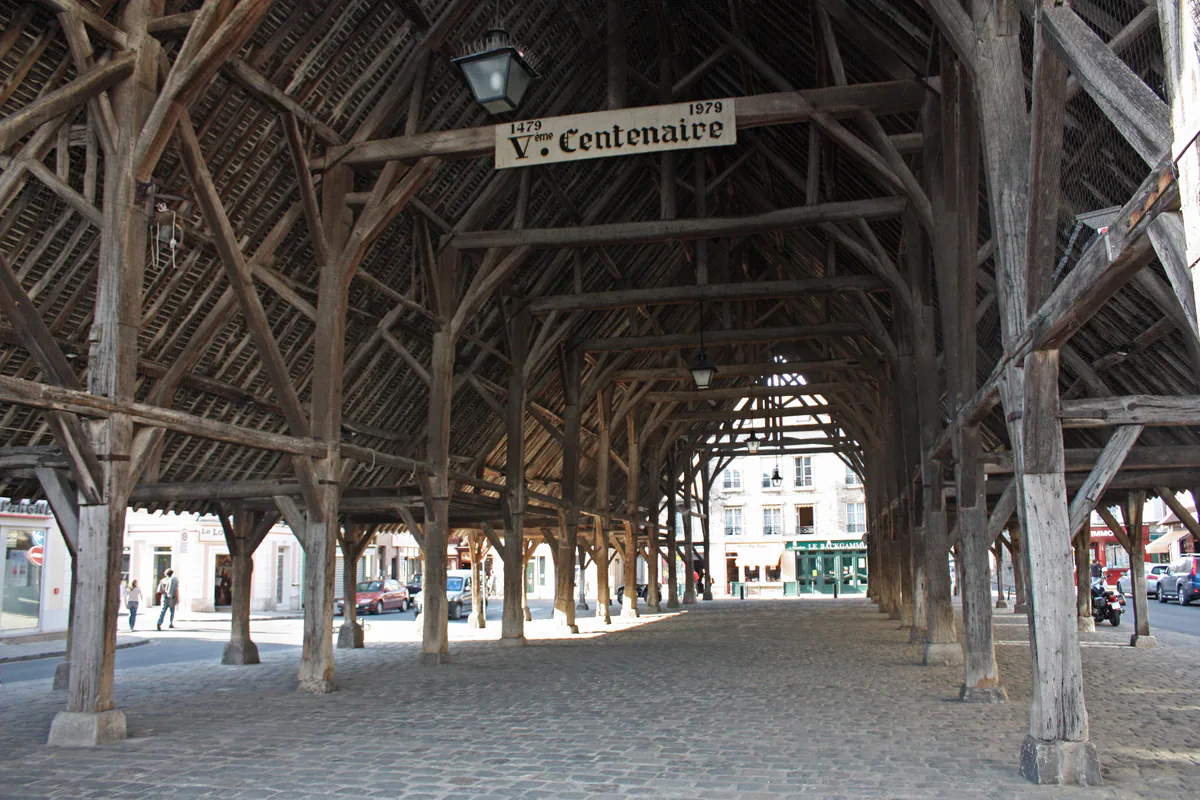
Milly and its plants. Combine the market hall, a shop or a producer who confirms that visitors are welcome with one heritage visit. Keep the Trois Pignons to a short walk if access, weather and remaining time all fit.
Moret and the Loing. A walk through the centre and along the river pairs naturally with a café or meal. If a water outing is booked, eat in good time and follow the operator’s advice instead of planning a large picnic immediately before launching.
Barbizon and the forest edge. Walk first when the sandstone is dry, then return to the village for lunch or something sweet. This avoids leaving food in a hot car and gives the walk an enjoyable ending.
Questions that open a conversation
Ask where a product was grown or made, how it should be kept and the simplest way to use it. At a farm, ask whether sales are open or by appointment. For a workshop, check duration and minimum age before bringing children.
These questions are not a test for the person serving you. They prevent misunderstandings and help you understand a craft. One well-chosen meeting can give the stay as much depth as a long list of specialities.
For a picnic, choose a place that does not block a path, emergency access or a bouldering landing zone. Take seeds, cores and peel home with everything else. Find somewhere to refill your bottle in town too, because a spring or forest pond is not a source of drinking water.