
Forest, villages and local know-how
Biosphère Écotourisme, a different way to discover the area
Here, the forest is only part of the story. It meets the Loing, the villages, the farmland of the Gâtinais and the people who bring this area to life.
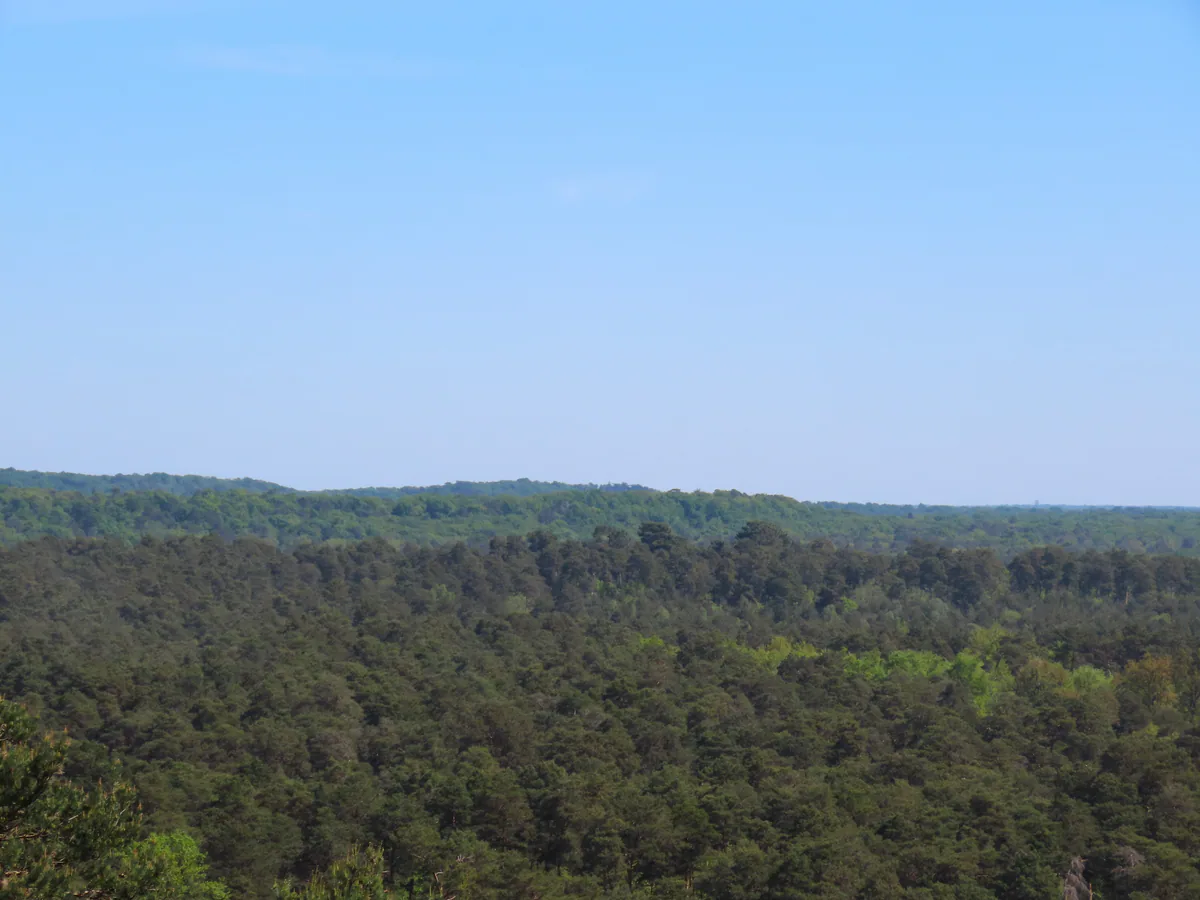
A landscape where everything connects
Fontainebleau Forest is usually the first image that comes to mind, yet it is only one part of the trip. Sandstone formations rise from sandy ground, the Seine and Loing create a different set of paths, villages retain old workshops and streets, and the fields and orchards already belong to the Gâtinais landscape.
Because these places sit close together, every day can feel different without hours of driving. You might walk at Franchard in the morning, have lunch in Barbizon and finish at the Château de Fontainebleau. Another day could begin at the market in Moret-sur-Loing, continue by canoe and end beside the river. Around Milly-la-Forêt, plants, local producers and heritage create a gentler pace.
Trying to see everything is rarely the most enjoyable approach. Choose one atmosphere, a walk that matches your ability and somewhere to take time over food or conversation. You will understand more of the area and spend less of the day in transit.
What does a biosphere reserve mean?
The Fontainebleau and Gâtinais Biosphere Reserve belongs to UNESCO’s Man and the Biosphere network. It brings together Fontainebleau Forest, the Seine, Loing and Essonne valleys, lived-in towns and villages, farmland and natural areas.
A biosphere reserve is not a park behind a single entrance gate. It is a living area where biodiversity, everyday life, research, education and tourism are meant to work alongside one another. During a visit, you will keep moving between busy and quiet spaces, from a monument to a market or from a natural site to a village where people live throughout the year.
For its work, boundaries and current projects, visit the Fontainebleau and Gâtinais Biosphere Reserve website and the reserve’s UNESCO MAB profile.
Choose a starting point
Fontainebleau is the easiest base for combining the town, château, restaurants and access to the forest. The railway station is in Avon, so the last part of the journey still needs planning, but a car-free stay is entirely possible. Our Fontainebleau guide helps put the first day together.
Moret-sur-Loing suits visitors who want an old riverside town and gentler walks. It is a good base for mixing heritage, canoeing, cycling and food stops. Arrival details, walks and day ideas are collected in the Moret-sur-Loing guide.
Milly-la-Forêt opens onto the Gâtinais and the Trois Pignons. The town, market, plants and cultural sites can fill a day even when the weather rules out a long walk. Start with our Milly-la-Forêt guide.
Barbizon and Franchard make a natural pairing for a first encounter with the forest. The village brings the painters’ story, while Franchard has gorges, sandstone and the Maison de la Biosphère et de la Forêt. Both get busy on sunny weekends, so arrive early and keep a second plan in mind.
The Trois Pignons appeal to walkers and climbers looking for a more open landscape of sand, pines and slopes. The ground can be demanding even when the distance looks short. Carry a detailed map and enough water, and choose a loop that genuinely suits the whole group.
A day trip or a weekend?
For one day, stay within a single sector. Pair a two or three-hour walk with a village or visit. If you come by train, check the return journey before leaving the station and do not assume a taxi will be waiting at the end of the day.
With two days, choose one base and create a contrast. Spend the first day among rocks and forest paths, then the second at the château and in town. From Moret-sur-Loing, alternate a river day with an outing to Fontainebleau. From Milly-la-Forêt, combine heritage and producers with time in the Trois Pignons.
Three days leave room for a guided activity, a market or a local encounter without losing the quiet parts of the trip. Our eco-friendly stay ideas offer several realistic rhythms, including alternatives when rain or a closure changes the plan.
The forest changes with the season
Spring brings longer days and fresh colour to the woodland, but damp sections can be slippery. Ticks also become active again. Wear covering clothes through long grass and check your skin when you return.
In summer, set out early, carry more water than you expect to need and leave stoves and barbecues at home. The rocks heat up quickly and some routes offer little shade. Restrictions caused by fire risk may change during the day.
Autumn has beautiful light and ground that can be extremely slippery beneath fallen leaves. This is also a season when hunting information and temporary closures deserve particular attention. Winter is quieter, but darkness comes early and services in small villages may be limited.
Whatever the season, open the ONF map of accessible areas on the day you set out. A familiar route may be affected by forestry work, an event, a natural hazard or a protection measure.
Enjoy the forest without wearing it down
Broad paths and great rocks can give an impression of toughness. Moss, young plants and sandy soils mark very quickly, however. Stay on clear paths, avoid making shortcuts and go around signed-off areas. If you climb, wait for the sandstone to dry, brush holds gently and take every piece of equipment home.
Keep dogs under control, especially near wildlife and other visitors. Bring the water you need because refill points are scarce in the forest. A reusable box and a bag for every scrap, including tissues and food waste, make picnics much easier.
Quiet is part of the experience. A conversation at normal volume, a few minutes spent listening and a pause away from the busiest paths often reveal more than a long list of sights.
Plan a stay that feels like yours
Biosphère Écotourisme brings together practical ideas for walking, cycling, climbing, exploring a village, meeting a local professional and tasting food from the Gâtinais. To choose a route, open Walks and routes. To arrive by train and work out the last mile, use Fontainebleau without a car.
Families will find shorter formats and wet-weather alternatives in Family activities. The Eco-actors page helps you choose a guide, activity, stop or address by area. Finally, Where to stay compares bases before you fill the itinerary.
Begin with one thing that you truly want to do. Add what is genuinely nearby, then leave a gap in the plan. Around Fontainebleau and the Gâtinais, the best memory is often the light on the sandstone, an unexpected path or a conversation at the market.